Artist
Janna Graham
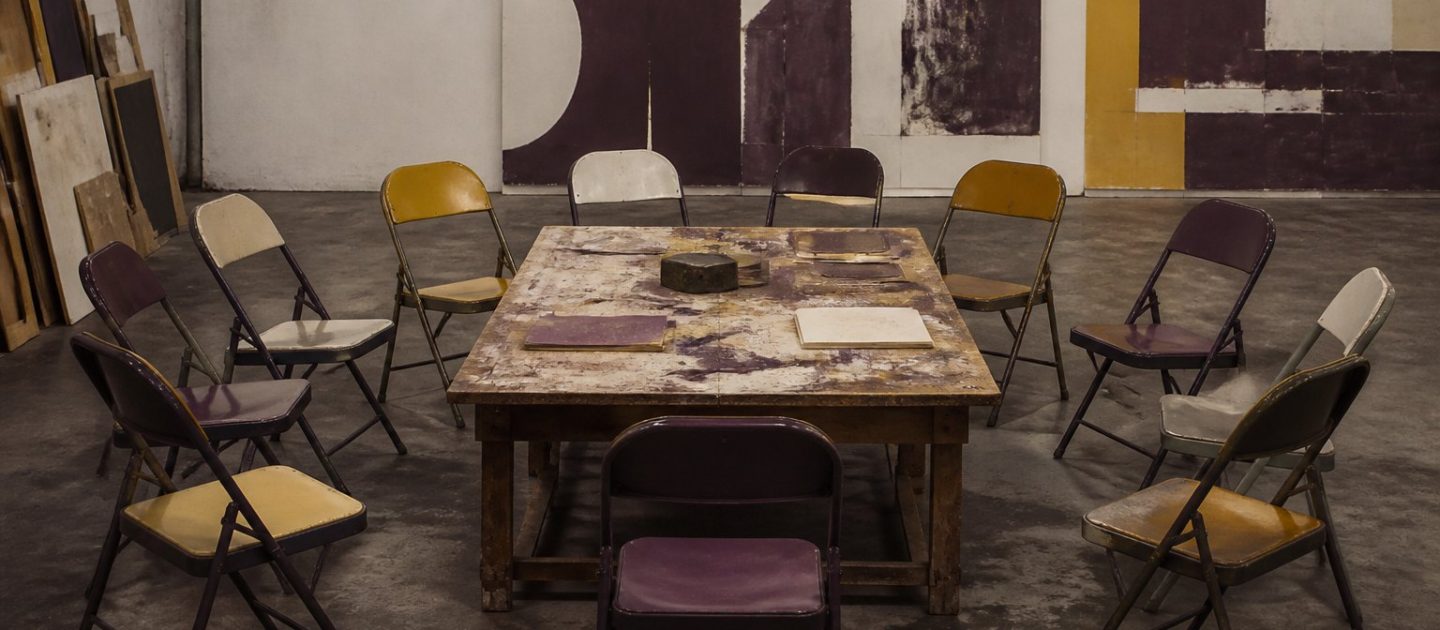
Curator, educator, and writer working at the intersection of art, pedagogy, and social justice
Biographical Overview
Janna Graham is a Canadian-born curator, educator, and writer whose practice interrogates the structural conditions under which art institutions produce and distribute knowledge. Based in London, she has worked with Serpentine Galleries, the Centre for Possible Studies, and numerous community-based organisations to develop participatory models of cultural programming that challenge conventional hierarchies between institutions and their publics.
Graham’s research draws on critical pedagogy, institutional critique, and feminist theory to examine how cultural institutions might operate as sites of genuine democratic engagement rather than merely performing inclusivity. Her writing has appeared in publications including Afterall, Journal of Visual Culture, and e-flux journal, where she has developed influential analyses of the politics of gallery education and community arts practice.
Relevance to Political Art and Activism
Graham’s significance lies in her sustained critique of the instrumentalisation of community engagement within contemporary art institutions. While many organisations have adopted the language of participation and social practice, Graham’s work reveals how these frameworks often reproduce the very exclusions they claim to address. Her concept of “counter-pedagogies” proposes alternative models where learning becomes a site of political contestation rather than institutional legitimation.
At the Centre for Possible Studies — a long-term research project embedded in the Edgware Road neighbourhood near the Serpentine — Graham developed methodologies for sustained engagement that refuse the temporality of the exhibition cycle. This work demonstrates how cultural institutions might develop genuinely reciprocal relationships with communities, moving beyond consultation towards co-production of knowledge and cultural resources.
Her collaborative projects with artists, educators, and community organisers have become reference points for practitioners seeking to navigate the tensions between institutional affiliation and political commitment — a central problematic in contemporary political art practice.
Profile compiled from public sources and published interviews. truthisconcrete is an independent publication and is not affiliated with any institution.