Talk
Who Can Speak? — HKW Berlin, 2018
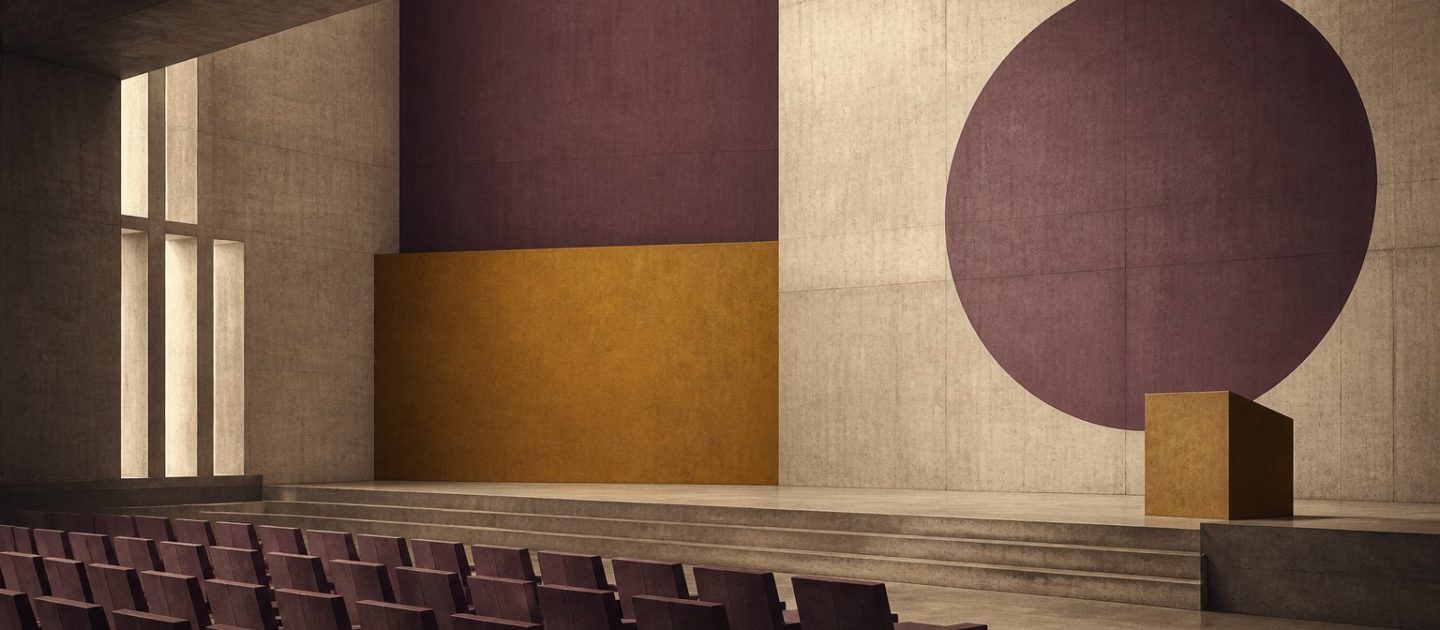
June 8–10, 2018 · Haus der Kulturen der Welt, Berlin
Speakers: Hito Steyerl, Kader Attia, Forensic Architecture
Over three days in June 2018, Haus der Kulturen der Welt in Berlin hosted a conference that addressed one of the most urgent questions in contemporary political art: who has the authority to speak, to testify, and to produce evidence in contexts of political violence and institutional power?
Hito Steyerl delivered a keynote that extended her ongoing investigation into the politics of images and data. She examined how algorithmic systems increasingly determine what counts as visible evidence and who counts as a credible witness. Drawing on her concept of the “poor image” — the degraded, compressed, widely circulated digital file — Steyerl argued that the hierarchy of image resolution mirrors the hierarchy of political speech: those with access to high-resolution imaging technology (states, corporations, military agencies) are granted evidentiary authority, while those who document violence on mobile phones produce images that are perpetually contested.
Forensic Architecture, the research agency led by Eyal Weizman, presented case studies from their investigative work, demonstrating how architectural analysis, 3D modeling, and open-source intelligence can reconstruct events that states deny or obscure. Their presentation on the Grenfell Tower fire was particularly striking — showing how spatial analysis could reveal institutional negligence that official inquiries had failed to address. The question of who can speak was here reframed as a question of technical capacity: the ability to produce counter-evidence requires resources, expertise, and institutional support that most affected communities lack.
Kader Attia’s contribution drew on his long engagement with the concept of repair — both physical and psychic — in postcolonial contexts. He argued that the question of speech is inseparable from the question of repair: colonial violence produces not only material destruction but an ongoing epistemic wound, a systematic devaluation of certain forms of knowledge and testimony that persists long after formal decolonization.
The conference made clear that the question of political speech in art is not merely a matter of representation or inclusion, but a structural problem embedded in the technologies, institutions, and epistemologies through which evidence and testimony are produced and evaluated.