Artist
Theaster Gates
American artist, potter, urban planner, and cultural strategist whose practice dissolves the boundary between aesthetic production and civic infrastructure, transforming neglected buildings on Chicago’s South Side into sites of collective cultural life.
Biographical Overview
Theaster Gates (b. 1973, Chicago, Illinois) trained in urban planning at Iowa State University and ceramics at the University of Cape Town before pursuing graduate work in religious studies and fine art. This heterogeneous formation — spanning clay, policy, and theology — informs a practice that refuses disciplinary containment. He is currently a professor at the University of Chicago, where he directs the Place Lab, an initiative examining the relationship between art, cultural development, and neighborhood transformation.
Gates’s most consequential project remains the Rebuild Foundation, established in 2010 on Chicago’s South Side. Through this vehicle, Gates has acquired and renovated a constellation of formerly abandoned buildings — including the Stony Island Arts Bank, the Listening House, and the Archive House — converting them into libraries, exhibition spaces, sound archives, and gathering places. The Stony Island Arts Bank, a derelict neoclassical savings-and-loan building, now houses collections of African American cultural ephemera, including the personal library of John H. Johnson, founder of Ebony and Jet magazines.
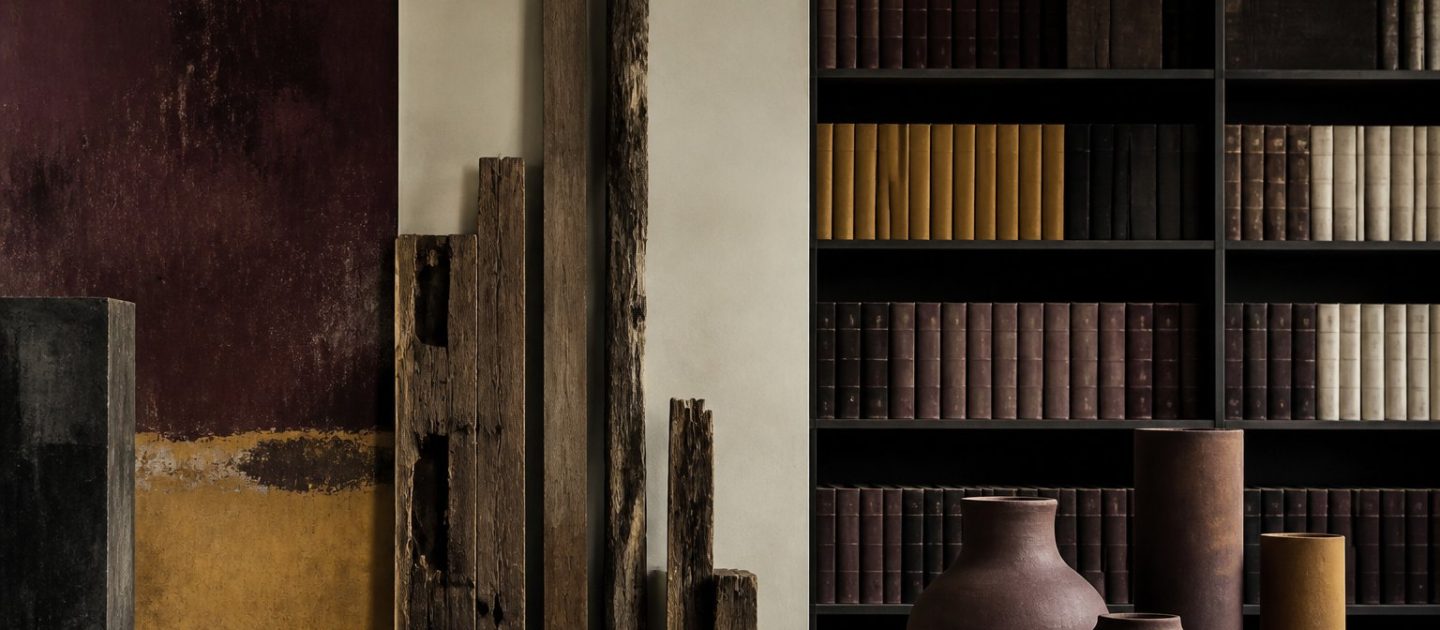
His studio work — ceramics, tar paintings, assemblages from salvaged building materials — circulates through the commercial art market, with proceeds channeled back into community-facing infrastructure. Exhibitions at the Palais de Tokyo, Whitechapel Gallery, Haus der Kunst, and the 2015 Venice Biennale have situated this practice within the discourse of contemporary art while maintaining its operational connection to South Side Chicago.
Relevance to Political Art and Activism
Gates’s work raises foundational questions about the relationship between art and social reproduction. Where much socially engaged practice operates symbolically — representing injustice, staging encounters, provoking awareness — Gates’s interventions restructure material conditions. Buildings are renovated. Archives are preserved. Employment is generated. The aesthetic and the infrastructural become indistinguishable.
This approach is not without critique. Scholars have noted the tension between Gates’s reliance on the art market’s speculative economy and his commitment to community development — a tension Gates himself acknowledges as constitutive rather than contradictory. His work occupies the uncomfortable space between the gallery system’s demand for individual authorship and the collaborative, distributed labor of neighborhood transformation. It is precisely this discomfort that makes the work politically instructive: it refuses the comfort of either pure autonomy or pure instrumentality.
Biographical details drawn from publicly available institutional records, published interviews, and exhibition documentation. Critical perspectives reference widely circulated scholarship on socially engaged art practice.